
Energy Audit
Energy Audit
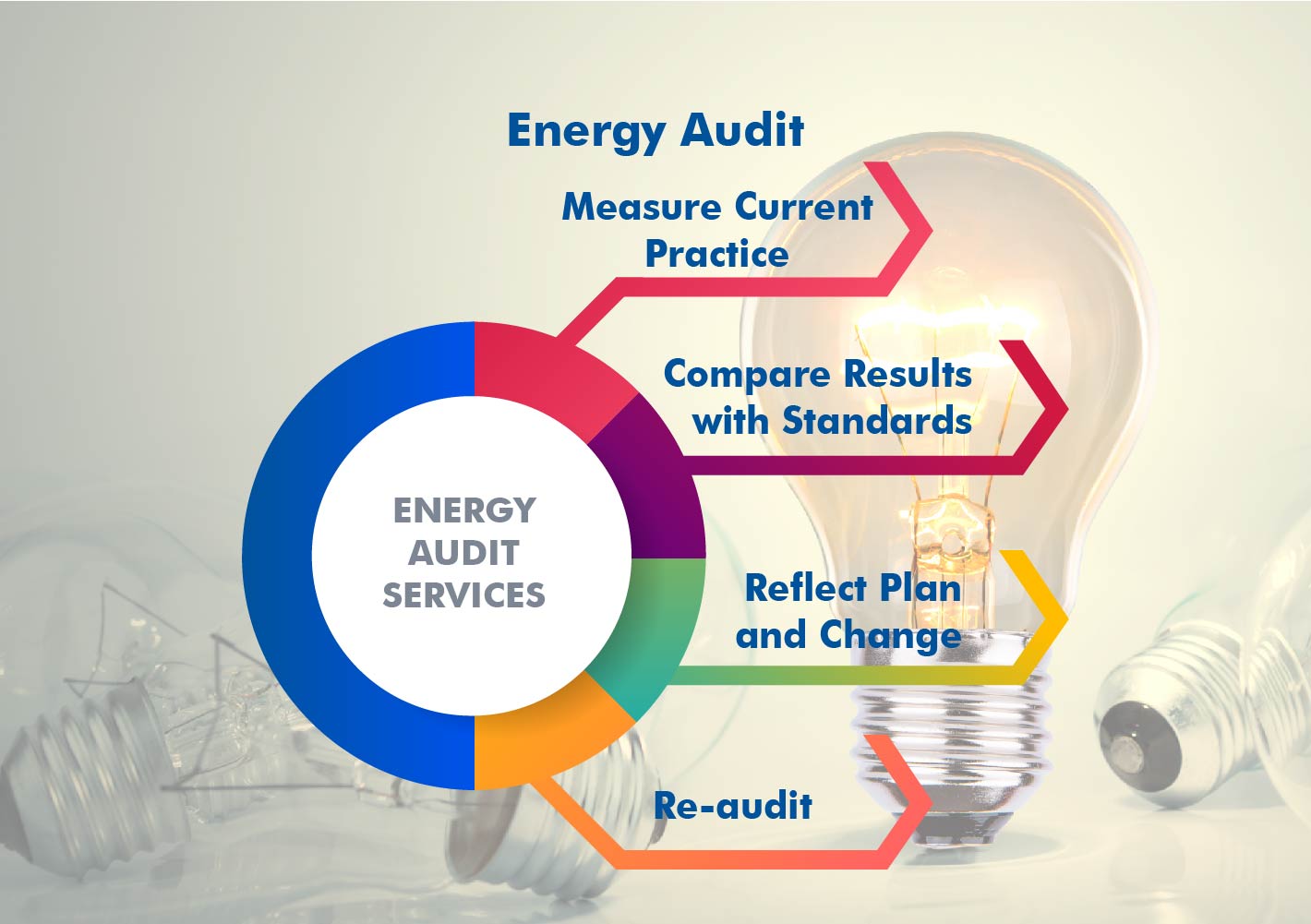
The energy auditing is a feasibility study to identify utility cost reduction opportunities. An energy audit typically includes evaluation of utility bills, examination of the facility and all of its utility and energy systems, a written report of saving opportunities with cost and payback estimates, technical and product reference for follow-up, on site briefing after the report is issued, and follow-up telephone consultations.
An energy audit also includes measurements such as detailed lighting measurements to establish benchmarks for upgrades, data logging to evaluate heating and/or air conditioning control.
Types of energy audits:
- Walk-Through energy audit.A simple, quick, one-time screening audit to identify potential utility cost reduction opportunities worthy of further consideration.
- Comprehensive energy audit.An analytical, one-time study to identify, verify, and detail economically-justified utility cost reduction opportunities. In its most rigorous form, this is known as an investment-grade energy audit.
- Extensive energy audit.Detailed energy auditing on a customized, extensive basis; typically includes extensive data logging of key variables; ideal for optimizing seasonal utility systems and for sustaining utility cost minimization after a comprehensive energy audit follow-up program. This is a long-term approach involving teamwork with the operating personal to maintain operational excellence. This is sometimes referred to as “continuous commissioning”.